Harnessing WhatsApp Business for Empowering Customer Communication in the UK E-commerce Sector

In the competitive UK e-commerce landscape, effective communication is crucial for fostering customer relationships and driving sales. With the emergence of WhatsApp Business, businesses now have a powerful tool at their disposal to enhance customer engagement and streamline communication. This post will delve into the fundamentals of WhatsApp Business, including how to set up your account, best practices for engagement, integration strategies, automation with chatbots, and real-world case studies of successful implementations.
Understanding WhatsApp Business
WhatsApp Business is specifically designed for small and medium-sized enterprises (SMEs) looking to improve their communication with customers. This platform allows businesses to interact in a more personal and direct manner, enabling them to respond quickly to customer inquiries and provide tailored support.
One of the key features of WhatsApp Business is its ability to create a professional profile. Businesses can include essential information such as their website, business description, email address, and physical location, making it easier for customers to find and connect with them. This feature not only enhances credibility but also fosters trust with potential clients.
Moreover, WhatsApp Business offers various tools that facilitate effective communication. For instance, businesses can set up quick replies to address frequently asked questions, reducing response times and enhancing the customer experience. The automated messaging feature allows businesses to send instant replies when they are unavailable, ensuring that customers feel acknowledged even outside of business hours.
Additionally, WhatsApp Business includes labels that help businesses organize their chats efficiently, making it simple to segment customers based on their needs or the status of their inquiries. This organizational capability not only streamlines workflow but also enables more personalized interactions with customers.
Furthermore, the platform supports rich media sharing, allowing businesses to send images, videos, and documents, which can enhance product presentations and provide valuable information to customers. This rich media capability is particularly useful in the e-commerce sector, where visual representation can significantly influence purchasing decisions.
In summary, WhatsApp Business empowers UK e-commerce businesses to create more meaningful connections with their customers by facilitating real-time communication, organizing customer interactions, and providing a professional touch to their engagement efforts. As we explore the subsequent sections, we will delve deeper into setting up your WhatsApp Business account and uncover best practices for maximizing customer engagement.
Setting Up Your WhatsApp Business Account
In the rapidly evolving landscape of UK e-commerce, establishing a robust communication channel with customers is vital. Setting up your WhatsApp Business account is a straightforward yet powerful step towards enhancing customer engagement and streamlining interactions. This guide will walk you through the essential steps and considerations for setting up your WhatsApp Business account effectively.
- Direct Communication: Engage with customers in real-time, providing immediate support and information.
- Professional Presence: A dedicated business profile enhances credibility and trust.
- Rich Messaging Features: Utilize multimedia, quick replies, and automated messaging to enhance customer experience.
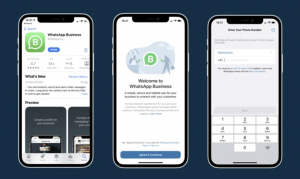
Step 1: Download the WhatsApp Business App
Begin by downloading the WhatsApp Business app from the Google Play Store or Apple App Store. Ensure you select the correct application designed specifically for businesses.
Step 2: Register Your Business Number
Upon launching the app, you will be prompted to register your business phone number. It’s crucial to use a number that is not already linked to a personal WhatsApp account. Once you enter the number, you will receive a verification code via SMS or call to confirm your registration.
Step 3: Create Your Business Profile
After verification, set up your business profile by providing essential information such as:
- Business Name: Choose a name that reflects your brand.
- Description: A brief overview of your business and what you offer.
- Address: Include your business location for customer reference.
- Business Hours: Specify when customers can reach you.
- Website Link: Add a link to your website for easy access.
Step 4: Customize Messaging Tools
WhatsApp Business allows you to set up various messaging tools that enhance customer interactions:
- Quick Replies: Save and reuse messages you frequently send to save time.
- Automated Greetings: Create a welcome message to greet customers when they message you for the first time.
- Away Messages: Set automated responses for times when you’re unavailable.
Step 5: Start Engaging with Customers
With your account set up, you are ready to start engaging with your customers! Promote your WhatsApp Business number on your website, social media platforms, and other marketing channels to encourage customers to reach out.
In conclusion, setting up your WhatsApp Business account is not just about creating a profile; it’s about building a platform for meaningful customer interactions. By following these steps, you will position your business to leverage the full potential of WhatsApp for enhanced communication and customer satisfaction.
Best Practices for Customer Engagement
In the highly competitive arena of UK e-commerce, leveraging WhatsApp Business effectively can significantly enhance customer communication and engagement. Here are some unique best practices that can empower businesses to connect with clients more meaningfully:
- Personalise Communication: Tailoring messages to individual customers can create a more personal connection. Use their names and reference previous interactions to make your communications feel less transactional and more engaging.
- Utilise Multimedia: WhatsApp allows businesses to send images, videos, and voice messages. Use these features to provide detailed product information, tutorials, or even behind-the-scenes content to enhance the customer experience.
- Implement Quick Replies: Set up templates for frequently asked questions to ensure quick responses. This not only saves time but also improves customer satisfaction by providing instant support.
- Engage Through Feedback: Actively solicit customer feedback through WhatsApp. Create a dialogue where customers feel valued and heard. For instance, follow up after purchases to ask about their experience.
- Incorporate Automation: Utilize chatbots for initial interactions or to provide 24/7 support. This allows customers to get instant responses, even outside of business hours, while freeing up human agents for more complex queries.
- Promote Exclusive Offers: Use WhatsApp to communicate exclusive deals, promotions, or flash sales directly to your customers. This can drive immediate engagement and encourage purchases.
- Host Interactive Events: Consider using WhatsApp to organise live Q&A sessions, product launches, or webinars. This not only engages users but also fosters a community around your brand.
Ultimately, the goal is to create an engaging and supportive environment where customers feel valued. By harnessing the capabilities of WhatsApp Business, UK e-commerce businesses can not only improve their communication but also enhance the overall customer journey.
Integrating WhatsApp Business with E-commerce Platforms
In the rapidly evolving landscape of e-commerce, effective communication is vital for fostering customer relationships and driving sales. WhatsApp Business has emerged as a powerful tool that facilitates seamless communication between businesses and their customers. Integrating WhatsApp Business with your e-commerce platform can enhance customer engagement, streamline order processing, and ultimately boost sales.
Here’s how to effectively integrate WhatsApp Business with your e-commerce platform:
1. Choose the Right E-commerce Platform
Before integration, ensure your e-commerce platform supports WhatsApp Business integration. Popular platforms like Shopify, WooCommerce, and Magento offer built-in features or plugins that simplify this process.
2. Set Up Your WhatsApp Business Account
Start by creating a WhatsApp Business account if you haven’t already. Make sure to provide accurate business information, such as your business name, address, and description. This information will help establish credibility with your customers.
3. Utilize WhatsApp Business API
For larger e-commerce businesses, using the WhatsApp Business API allows for more advanced integrations. This API enables automated messaging, customer support, and even order notifications, providing a cohesive experience for your customers.
4. Implement Chatbots for Enhanced Customer Support
Integrating chatbots with your WhatsApp Business account can significantly improve customer service. Chatbots can handle frequently asked questions, provide product recommendations, and assist with order tracking, ensuring customers receive instant responses.
5. Leverage Multimedia Messaging
WhatsApp allows businesses to send multimedia messages, including images, videos, and voice notes. Use these features to showcase products, share promotional content, or provide tutorials, making communication more engaging.
6. Foster Real-time Communication
One of the key advantages of integrating WhatsApp Business is the ability to interact with customers in real-time. Use this feature to address customer inquiries promptly, resolve issues, and provide personalized assistance, thereby enhancing customer satisfaction.
7. Monitor and Analyze Customer Interactions
Utilize analytics tools to monitor customer interactions on WhatsApp. Understanding customer behavior and preferences can help you tailor your communication strategies and improve overall engagement.
In conclusion, the integration of WhatsApp Business with e-commerce platforms offers a unique opportunity for businesses to enhance customer communication and engagement. By adopting these strategies, you can create a more interactive and satisfying shopping experience for your customers.
Leveraging Automation and Chatbots
In the competitive landscape of UK e-commerce, businesses are constantly seeking innovative ways to enhance customer communication. One of the most effective strategies is the integration of automation and chatbots within WhatsApp Business. These tools not only streamline operations but also elevate customer experience by providing timely responses and personalized interactions.
Chatbots, powered by artificial intelligence, can handle a myriad of customer inquiries round the clock. By programming chatbots to respond to frequently asked questions, businesses can significantly reduce waiting times, allowing customers to receive immediate assistance. This is particularly advantageous during peak shopping seasons when response times can impact sales.
- 24/7 Availability: Customers can receive assistance any time of day, increasing satisfaction.
- Cost-Effective: Reduces the need for a large customer service team, lowering operational costs.
- Consistent Responses: Ensures uniform answers to common queries, enhancing brand reliability.
- Scalability: Easily adapts to increased customer inquiries without compromising service quality.
To successfully implement chatbots within WhatsApp Business, businesses should consider the following steps:
- Define Objectives: Determine what tasks the chatbot will handle—be it answering FAQs, processing orders, or providing shipping updates.
- Choose the Right Platform: Select a chatbot development platform that integrates seamlessly with WhatsApp Business.
- Design Conversations: Map out conversational flows to ensure interactions feel natural and intuitive.
- Test and Iterate: Regularly test the chatbot’s performance and make necessary adjustments based on customer feedback.
Additionally, integrating automated features such as quick replies and automated greetings can enhance the customer experience by guiding users through their inquiries. For example, when a customer initiates a chat, automated greetings can provide instant responses, setting the tone for a positive interaction.
As businesses in the UK e-commerce sector strive to meet customer expectations, leveraging automation and chatbots through WhatsApp Business is not just a competitive edge—it is quickly becoming a necessity. By adopting these technologies, businesses can foster stronger connections with their customers, driving loyalty and increasing sales.
Case Studies: Successful Implementations in UK E-commerce
As the UK e-commerce landscape continues to evolve, businesses are increasingly recognizing the value of leveraging WhatsApp Business to enhance customer communication and engagement. This section highlights successful implementations of WhatsApp Business within the e-commerce sector, showcasing innovative practices that have led to improved customer satisfaction and increased sales.
Fashion Retailer A integrated WhatsApp Business to handle customer inquiries in real-time. By setting up automated responses for frequently asked questions, they reduced response times significantly, allowing their customer service team to focus on more complex issues. As a result, customer satisfaction scores improved by 30% within the first quarter.
Electronics Store B utilized WhatsApp Business to send personalized product recommendations based on customer preferences and previous purchases. By engaging customers through direct messaging, they achieved a 25% increase in conversion rates, demonstrating the effectiveness of tailored communication in driving sales.
Home Goods Retailer C launched a WhatsApp Business loyalty program, allowing customers to receive exclusive promotions and updates. By leveraging WhatsApp’s interactive features, they fostered a sense of community among their customer base, leading to a 40% increase in repeat purchases over six months.
These case studies illustrate how WhatsApp Business can be a powerful tool for UK e-commerce businesses looking to enhance customer communication. By adopting innovative strategies and focusing on real-time engagement, retailers can significantly improve customer satisfaction and drive sales growth.
Future Trends in Messaging Apps and E-commerce Communication
As we look towards the future, the integration of messaging apps, particularly WhatsApp Business, into the e-commerce sector is expected to evolve significantly. This shift will redefine how businesses communicate with their customers, offering unprecedented opportunities for engagement, personalization, and efficiency.
One of the most notable trends is the rise of AI-driven customer interactions. With advancements in artificial intelligence, businesses can now deploy chatbots on platforms like WhatsApp. These chatbots can handle inquiries, process orders, and provide tailored recommendations based on customer behavior, ensuring a seamless shopping experience.
Moreover, video and voice messaging are set to become pivotal in enhancing customer engagement. Businesses can leverage video messages to showcase products or provide tutorials, while voice notes can facilitate more personal interactions. This shift towards multimedia communication will cater to diverse customer preferences, making interactions more dynamic and engaging.
Another critical trend is the increasing importance of data privacy and security. As customers become more aware of their data rights, businesses must ensure that their messaging practices comply with regulations like GDPR. This includes transparent communication about how customer data is used and implementing robust security measures to protect sensitive information.
Personalization will also take center stage. Businesses will utilize rich data analytics to understand customer preferences and behaviors, enabling them to craft personalized marketing messages and offers. This hyper-targeted approach not only enhances customer satisfaction but also boosts conversion rates.
In terms of integration, we can expect a surge in omni-channel strategies. Businesses will seamlessly integrate WhatsApp with other platforms, such as social media and e-commerce websites, allowing for a unified customer experience. This connectivity will enable customers to transition smoothly between platforms while maintaining the conversation history, enhancing their overall interaction with the brand.
- AI-driven interactions will streamline customer service.
- Video and voice messaging will enhance engagement.
- Data privacy will be a priority for customers.
- Personalization will drive marketing efforts.
- Omni-channel strategies will unify customer experiences.
As these trends unfold, businesses in the UK e-commerce sector must adapt to stay ahead of the competition. By harnessing the power of WhatsApp Business and embracing these future trends, companies can significantly enhance their customer communication strategies, ultimately leading to greater customer loyalty and business growth.